Health
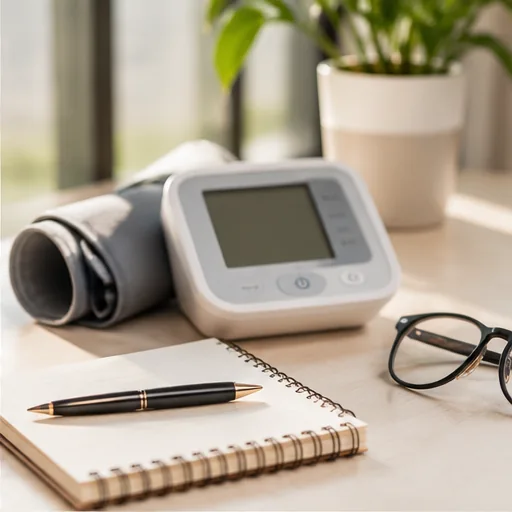
What a blood-pressure reading represents
Blood pressure describes the force of circulating blood against artery walls. Readings usually contain two numbers: systolic pressure as the heart contracts, and diastolic pressure as it relaxes between beats. A single reading can be influenced by stress, physical activity, pain, caffeine and measurement technique. It should not be interpreted alone.
Persistently elevated readings can increase the risk of cardiovascular and kidney problems over time. Low readings may also matter when they cause symptoms such as dizziness or fainting. A clinician interprets numbers in the context of your circumstances and local guidelines.
How to measure more reliably
For a home reading, use a validated monitor with a correctly sized cuff and follow the manufacturer’s instructions. Rest quietly beforehand, sit with feet supported and the arm appropriately positioned, and avoid talking during the measurement. Keep a record of repeated readings with dates and times if your clinician recommends monitoring.
Wrist and fingertip devices may not be as reliable as a suitable upper-arm cuff for many users. An incorrectly fitted cuff can produce misleading readings. Ask a clinician or pharmacist to check your technique.
Why patterns matter more than a moment
Diagnosis and treatment decisions generally consider multiple measurements and other cardiovascular risk factors. Some people have different readings at home and in clinical settings. A healthcare professional may recommend home or ambulatory monitoring to understand the pattern better.
Do not change prescribed blood-pressure medicines because one reading is higher or lower than expected. Unexpected or persistent changes should be discussed with the person managing your care.
Everyday habits and treatment
Regular activity, a balanced eating pattern, less excess sodium where relevant, avoiding tobacco and managing alcohol intake can contribute to cardiovascular health. Some people also need prescription treatment, which depends on their overall risk and clinical history. Lifestyle changes and medicines are not competing approaches; they are often complementary.
If a medicine causes unwanted effects, speak with the prescriber rather than stopping it independently. Many options and adjustments are possible.
When to seek urgent attention
Severely elevated blood pressure accompanied by chest pain, severe headache, breathlessness, confusion, neurological symptoms or other concerning signs can be an emergency. Seek immediate medical attention rather than relying on an online article or AI chat.
If you are unsure whether a measurement needs urgent evaluation, seek prompt professional guidance. This article is for understanding the concept, not diagnosing or prescribing based on a number.
Common measurement mistakes
Rushing directly from stairs to a blood-pressure reading, using a cuff that is too small, talking during a measurement or placing the arm in an unsupported position can distort results. A home device is only as useful as its fit and the way it is used. Bring your monitor to a clinical appointment if a professional recommends checking it against their equipment.
Avoid drawing conclusions from a single unusual number. Repeating measurements as advised, recording context and discussing the pattern with your healthcare team is more informative.
Make monitoring manageable
A record should help a clinician understand the pattern rather than create endless checking. Ask how often to measure, how to record readings and at which point you should seek advice. This matters especially if you feel anxious around health numbers.
When treatment is prescribed, consistency and communication are important. Discuss difficulties with cost, adherence or side effects. Do not adjust a dose from an online chart, and never ignore emergency symptoms because a device reading appears normal.
Source pages may offer further information and regional differences. Check the source update date and applicable local guidelines.